
English| EUR
Suggested for you
More currencies
Choose a language
Boston sits roughly 75 miles northeast of the island's front door, and no bridge closes that gap. Every practical route funnels through the same choke point on Cape Cod's southwestern tip, where the Steamship Authority terminal at 1 Cowdry Road, Woods Hole, MA 02543 loads passengers for the crossing to Vineyard Haven. This how to get to martha's vineyard from boston guide sets out the sequence, the money, and the hour you should be standing at the gate.
Quick answer
The standard route is Boston to Woods Hole by car or bus, then a Steamship Authority ferry to Martha's Vineyard, with a one-way adult passenger fare of 11 USD. Terminal operations run 05:30–23:59 daily. Aim to arrive between 06:00 and 22:00, since parking lots fill first and the shuttle to the pier adds time no schedule accounts for.
Martha's Vineyard has no bridge, no causeway, and no road link of any kind to the American mainland — a fact that shapes every itinerary leaving Boston. The island's 100 square miles sit about seven miles off Cape Cod, and the water between has been crossed the same essential way for well over a century. Understanding how to get to martha's vineyard from boston therefore means understanding a relay: a land leg down through Massachusetts, then a marine leg from the Woods Hole terminal at the tip of the Falmouth peninsula. The land leg is the part travellers underestimate. Route 3 south to the Sagamore Bridge, then Route 28 and Route 28A down to Woods Hole, covers roughly 90 miles of pavement that behaves very differently in February than in the third week of August. Cape Cod's canal bridges are the region's most reliable bottleneck, and summer Friday afternoons compress a ninety-minute drive into something closer to three hours. Buses and regional rail connections to Falmouth exist for those without a car, and seaplane and air-taxi services fly into Martha's Vineyard Airport for travellers willing to trade cost for hours. Each option converges on the same truth: the boat leaves whether you are on it or not. The marine leg is short, dependable, and cheap by the standards of American travel. Vessels of the Steamship Authority — the state-chartered lifeline operator — cross to Vineyard Haven and Oak Bluffs, both walkable harbour towns where bicycles, buses, and taxis wait at the pier. Passenger fares are modest; vehicle reservations are an entirely different proposition, often sold out months ahead in high season, which is why most day-trippers leave the car in Falmouth and travel as foot passengers. What the reader should do with any boston to martha's vineyard ferry route research is build backwards from a chosen sailing. Fix the departure, subtract the crossing, subtract the shuttle from the satellite parking lot, subtract the drive, and subtract a contingency hour for the canal. Anyone reading a how to get to martha's vineyard from boston guide in late summer should treat that contingency as mandatory rather than cautious. Detailed schedules, fares, seasonal timing and a pre-departure checklist are set out in the sections that follow, and reservations for sailings, island transport and tours can be secured through the booking pages linked from this page. The route is simple. The margin for error is not.
“The route is simple. The margin for error is not.”
Traveling from Boston to Martha's Vineyard requires a multi-stage journey transitioning from road transport to the ferry terminal in Woods Hole. Passengers typically proceed by car or bus to the terminal before boarding the Steamship Authority ferry for the crossing to the island.
Drive via MA-3 S and MA-28 S to 1 Cowdry Road
Peter Pan Bus Lines from South Station to Woods Hole
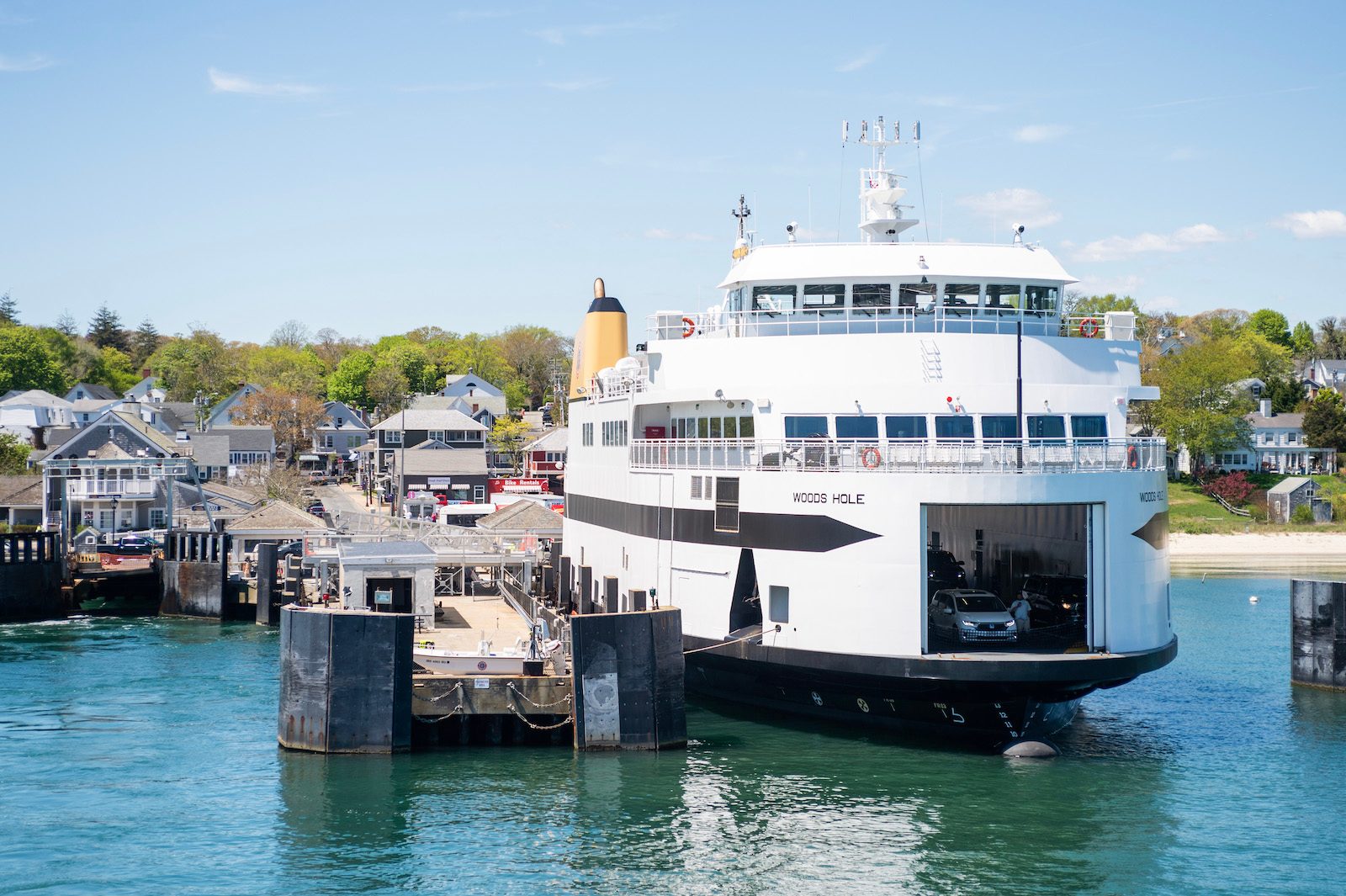
Steamship Authority ferry from Woods Hole to Martha's Vineyard
For those driving, utilize the parking shuttle service if terminal lots are at capacity. Plan your arrival window to ensure sufficient time for transit from your parking location to the ferry boarding area.
The ferry service to Martha's Vineyard operates daily, providing consistent access throughout the week.
The optimal window for arrival at the Woods Hole terminal is 06:00–22:00. Arriving within this timeframe helps avoid peak travel congestion and ensures sufficient time for parking shuttle transit.
—
Mid-week travel significantly reduces terminal congestion and shuttle wait times.
Mild with temperatures 60-75°F
Spring provides temperate weather before the peak summer surge.
Warm with temperatures 75-85°F
Expect high demand and maximum utilization of parking shuttle services.
Cooler with temperatures 55-70°F
Lower demand makes for a more predictable transit experience to the ferry.
Verdict: For the most efficient transit, aim for a weekday arrival between 06:00 and 22:00 during the shoulder months of May or October.
A Boston-to-Martha's-Vineyard day trip hinges on a few reservations and documents sorted well before you reach Woods Hole.
Everything you need to know about how to get to martha's vineyard from boston
To travel by car, drive from Boston to the terminal at 1 Cowdry Road, Woods Hole, MA, and board a Steamship Authority ferry. You will need to coordinate your drive with your scheduled ferry departure time.
Taking a car to the Woods Hole terminal and boarding the passenger ferry is the primary method for most visitors. This route remains the most reliable way for those researching how to get to Martha's Vineyard from Boston.
The one-way adult passenger fare on the Steamship Authority ferry starts at 11 USD. Additional costs for vehicle transport depend on the ferry schedule and advance booking availability.
Travel time varies based on traffic from the city to Cape Cod and your subsequent ferry crossing duration. It is best to plan for a full morning to ensure a smooth transition between land and sea transport.
We recommend arriving at the terminal between 06:00 and 22:00. This arrival window helps you avoid peak travel congestion and provides sufficient time for parking shuttle transit.
The facility operates daily from 05:30 to 23:59. Please verify your specific departure time through the official site before leaving your accommodation.
When planning how to get to Martha's Vineyard from Boston for a day trip, focus on early departures to maximize your time on the island. Be sure to account for travel time back to the mainland in the evening.
Vehicle space on ferries is limited and requires advance reservations. Many day-trippers choose to leave their cars in mainland parking lots to avoid long standby lines and high costs.